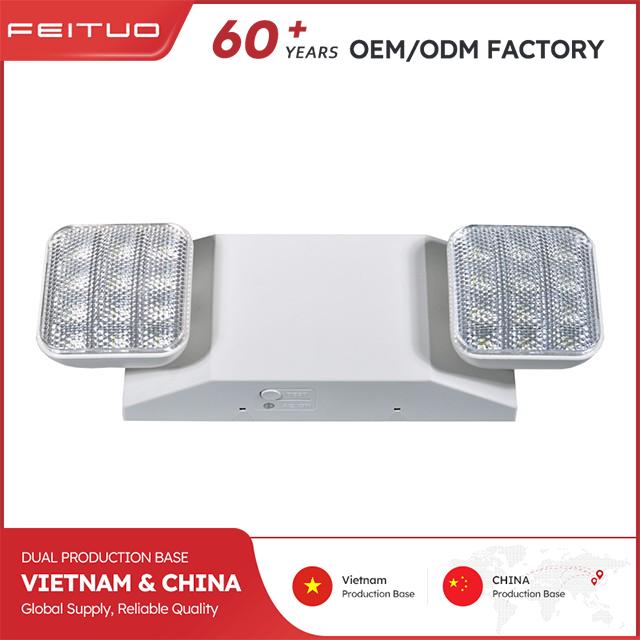
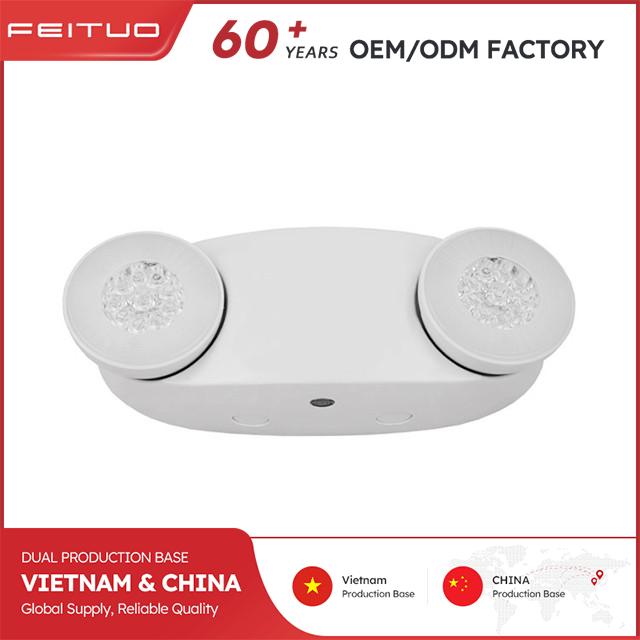
You depend on Emergency Light systems to keep you safe during power outages. These lights guide you through dark halls, stairways, and exits at home, work, or in public spaces. FEITUO stands out as a trusted brand with advanced safety features and certifications. The table below shows what makes FEITUO unique:
Feature/Certification | Description |
|---|---|
High-lumen LED chips | Bright illumination during power failures. |
Long-lasting lithium battery systems | Extended backup and reliability. |
Intelligent charging protection technology | Enhanced safety during charging. |
Compliance with international standards | Rigorous testing and inspection for safety and quality. |
Emergency Light systems are essential for safety during power outages, guiding you to exits in dark conditions.
Regular testing and maintenance of emergency lights prevent failures and ensure compliance with safety regulations.
Choose certified brands like FEITUO for reliable emergency lighting that meets international safety standards.
Understand the difference between maintained and non-maintained lights to select the best option for your building's needs.
Dispose of old batteries responsibly to protect the environment and follow local safety regulations.
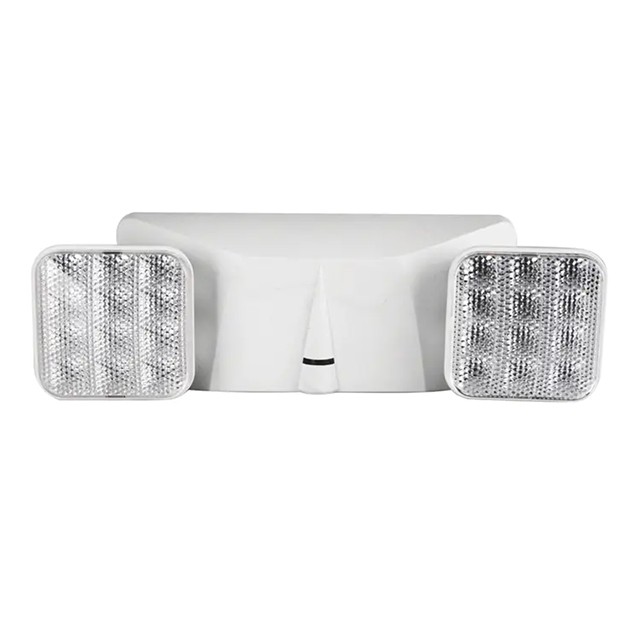
You rely on Emergency Light systems to help you find your way during power outages or emergencies. These lights guide you to exits and keep you safe in dark or smoky conditions. Safety rules require that buildings have working emergency lighting. You must follow these rules to protect people and meet the law.
Insurance companies often reward businesses that show strong safety planning and regular maintenance of emergency lighting.
You can see the main legal requirements for emergency lighting in the table below:
Requirement Type | UAE Fire Code Requirements | International Standards (NFPA 101) |
|---|---|---|
Emergency Lighting Duration | Minimum 3 hours (180 minutes) | 90 minutes |
Illumination Levels (Escape Routes) | Minimum 1 lux along centerline, 0.5 lux in central band | N/A |
Average Illumination (Egress Paths) | 10.8 lux average, 1.1 lux minimum | N/A |
Minimum Illumination (Open Areas) | 0.5 lux horizontal illumination at floor level | N/A |
High-Risk Areas | Minimum 15 lux or 10% of normal lighting levels | N/A |
Safety Equipment Locations | Minimum 5 lux vertical illumination | N/A |
Mandatory Coverage Locations | All escape routes, exit doors, and safety signs | N/A |
You must also make sure your Emergency Light system meets international standards. FEITUO products carry important certifications that show their reliability and safety. Here is what these certifications mean:
Certification | Description |
|---|---|
UL | Ensures safety standards in the USA |
FCC | Regulates electromagnetic interference in the USA |
CE | Indicates compliance with European safety standards |
EN | European standards for safety and performance |
IEC | International standards for electrical devices |
You can trust FEITUO because the company uses a quality control system that started in 1997. FEITUO earned ISO9001 certification in 1998. Every product goes through strict testing to meet safety standards like UL, CSA, CE, GS, FCC, EN, and IEC.
You must test and document your emergency lighting system regularly. This helps you avoid fines and keeps everyone safe during power failures. Emergency lighting must turn on automatically and stay on for at least 90 minutes after a power outage. These rules come from the NFPA 101, Life Safety Code.
You see Emergency Light systems in many places where safety matters most. These lights help you and others find exits and stay safe in emergencies. Here are some common places where you find emergency lighting:
Corridors, aisles, and stairways in schools, hospitals, and offices
Stair landings and intersections in apartment buildings and hotels
Exit doors and access areas in shopping malls and airports
Open areas that need more than one fixture for enough light
Safety equipment locations, such as fire extinguisher cabinets
You depend on these lights to guide you during fires, earthquakes, or any event that causes a power outage. Emergency Light systems make sure you can see exit signs and escape routes, even when the main lights go out.
You find many types of Emergency Light systems in buildings. Each type serves a unique purpose and fits different safety needs. You must understand these options to choose the right solution for your space.
You see two main types of emergency lighting: maintained and non-maintained. Maintained lights stay on all the time, even when the power works normally. Non-maintained lights turn on only when the main power fails. You can compare their features in the table below:
Type of Emergency Lighting | Operational Behavior | Energy Usage | Application Contexts |
|---|---|---|---|
Maintained | Always on during normal operation and during power failure | Higher energy use | Exit signs, high-occupancy areas |
Non-maintained | Off during normal operation, activates only during power failure | Lower energy use | Escape route luminaires in commercial buildings |
Maintained lights help you see exit signs at all times. You use them in places with many people, like theaters or malls. Non-maintained lights save energy. You use them in hallways or stairwells where you only need light during emergencies.
Tip: You should check which type fits your building’s safety plan before installation.
You can choose from several Emergency Light models. FEITUO offers a wide range, including Dual Head, Rechargeable LED, and Twin Spot lights. These models give you strong performance and reliability. Here are some features you get:
Long-distance illumination lets you see up to 30 meters during power outages.
Energy efficiency means you use less power but get bright light.
Customizable configurations allow you to adjust angles and beam spreads for different spaces.
Durable construction uses fire-resistant materials and IP65-rated protection.
Compliance with safety standards ensures you meet UL and CE requirements.
You select the model that matches your needs. Dual Head lights cover wide areas. Twin Spot models focus light where you need it most. Rechargeable LED lights last longer and use less energy. FEITUO also offers custom solutions for special projects.
You make your building safer by choosing the right Emergency Light system. You ensure people can find exits quickly and safely.
You depend on automatic activation to keep you safe during emergencies. When the main power fails, Emergency Light systems turn on right away. This feature helps you see exit routes and make quick decisions. You do not need to press any buttons or flip switches. The lights come on within seconds, so you can start moving toward safety without delay.
Automatic activation ensures lights work immediately during power outages.
You get faster illumination, which helps you evacuate quickly.
Emergency power systems restore lighting within 10 seconds and keep it on for at least 90 minutes.
Automatic activation reduces confusion and helps you respond faster in stressful situations.
You rely on backup power to keep emergency lighting working. These systems connect to building power, but switch to batteries or generators when the main supply stops. You see different power sources, such as battery-backed circuits, generator systems, and EPS units. Control mechanisms like automatic activation, centralized controls, and manual overrides manage the switch.
Battery-backed circuits provide reliable light during outages.
Generator systems support larger buildings and longer emergencies.
LED technology gives you instant-on light and saves energy.
You benefit from strict wiring and safety standards. Emergency lighting uses fire-resistant cables and separate circuits to stay operational during fires or other hazards. Regular testing keeps the system ready. Many lights have self-testing features that check battery status and circuit health. You can also perform manual inspections to make sure everything works.
Self-testing and diagnostics help you spot problems before an emergency happens.
Emergency Light systems often work with other safety technologies. The table below shows how these systems support evacuation and safety:
Technology Type | Function |
|---|---|
Emergency Lighting | Guides you to exits during power failure and smoke. |
Voice Evacuation Systems | Gives you clear instructions for evacuation. |
Integrated Fire Alarm Systems | Coordinates alarms and messages for faster response. |
HVAC Shutdown Sequences | Stops ventilation to prevent smoke spread. |
Elevator Recall | Brings elevators to safe floors for evacuation. |
Door Release | Opens locked doors so you can exit safely. |
You get real-time diagnostics, remote access, and faster response coordination. These features help you stay safe and make smart decisions during emergencies.
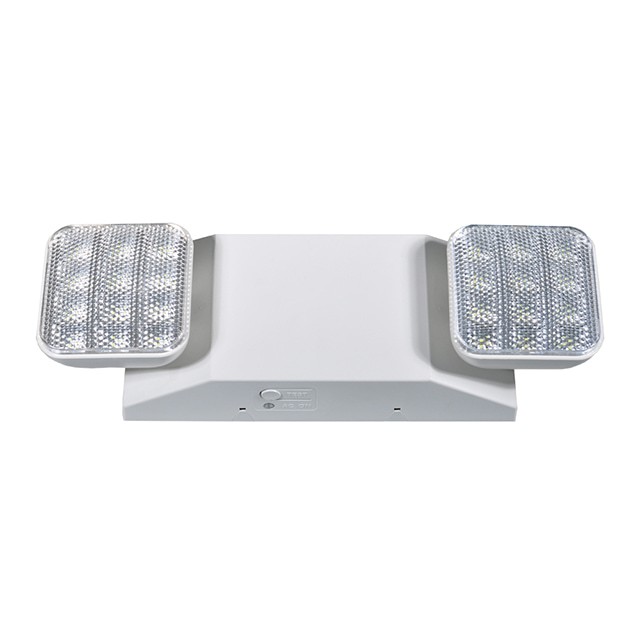
You want your emergency lights to work when you need them most. The battery inside each unit plays a big role in this. Most emergency light batteries last between three and five years. You may notice that some batteries last longer, especially if you use energy-efficient LED technology. LEDs use less power, so the battery does not drain as quickly.
Many things can affect how long your battery lasts:
High temperatures can make batteries wear out faster.
How often the battery gets used or charged can change its lifespan.
Where you store the emergency light matters. A cool, dry place helps the battery last longer.
The quality of the battery cells and the design of the battery management system (BMS) also matter. Good cells and a smart BMS protect the battery from damage.
You get even more life from your battery when you choose FEITUO emergency lights. These products use advanced lithium-ion or NiMH batteries and smart charging systems. This means you spend less time worrying about replacements and more time feeling safe.
Tip: Test your emergency lights every month to make sure the battery still works.
You can replace the battery in your FEITUO emergency light by following a few simple steps. You do not need special tools or skills. Just follow this order:
Identify the battery type your emergency light uses.
Turn off the power and disconnect the emergency light from the main supply.
Open the battery compartment. You may need a screwdriver for this step.
Remove the old battery carefully.
Place the new battery in the compartment, making sure it fits snugly.
Turn the power back on and test the emergency light to check if it works.
Dispose of the old battery at a recycling center or follow local rules for safe disposal.
You keep your emergency lighting system reliable by replacing batteries on time. FEITUO designs its products for easy maintenance, so you can finish the job quickly and safely.
You must test your emergency lights to make sure they work when you need them. There are two main ways to test these systems. The table below shows how each method works:
Testing Method | Description |
|---|---|
Manual Testing | You simulate a power outage by opening a circuit breaker or fuse. |
Automatic Testing | The system tests itself on a schedule, reducing mistakes but still needs review. |
Manual testing lets you see the lights turn on with your own eyes. You press a test button or cut the power to check if the battery and bulbs work. Automatic testing uses built-in technology. The system checks itself and reports problems, but you still need to look at the results.
You should follow a routine to keep your emergency lighting system in top shape:
Monthly Testing Tasks
Press the test button on each fixture every month. The light should stay on for at least 30 seconds.
Look for dim bulbs, buzzing sounds, or slow response.
Write down your results to show you follow safety rules.
Annual Full-Duration Testing
Once a year, run a 90-minute test to see if the lights work for the full backup time.
Fix or replace any lights that fail during this test.
Regular testing helps you avoid common problems like non-working lights, missed exit signs, and safety code violations.
You must dispose of old batteries and fittings the right way. If you throw batteries in the trash, they can leak harmful chemicals into the ground and water. The table below shows what can happen if you do not follow safe disposal practices:
Hazardous Material | Environmental Impact |
|---|---|
Heavy metals | Can leak into soil and water, causing pollution and health risks |
Lead and acid | May escape from old batteries, harming plants, animals, and people |
Corroded casings | Release toxic substances, leading to long-term contamination |
Take used batteries to a recycling center or a special drop-off site. Do not mix them with regular trash. Many cities have programs for safe e-waste disposal. You protect your community and the environment by following these steps.
Safe disposal keeps your building green and your neighborhood healthy.
You depend on Emergency Light systems to keep your building safe and compliant. Regular maintenance and timely battery replacement help prevent common problems like dead batteries, blocked fixtures, and burned-out bulbs. The table below shows how routine testing increases reliability:
Test Type | Benefit |
|---|---|
Monthly Flick Test | Confirms lights work in outage |
Annual Duration | Checks battery backup |
Choose certified brands like FEITUO for peace of mind. Review your emergency lighting system often to make sure it works when you need it most.
You should test your emergency lights every month. Press the test button and check if the light stays on. Run a full 90-minute test once a year to make sure the battery lasts.
You should look for these certifications:
UL
FCC
CE
EN
IEC
These show that your emergency lights meet safety and quality standards.
You can install some emergency lights if you follow the instructions. For complex systems, you should ask a licensed electrician. This keeps your building safe and meets local codes.
Take old batteries to a recycling center. Do not throw them in the trash. This protects the environment and follows safety rules.

Phone: 0086-13566557272
Whatsapp: +86-13566557272
ADD: No.546 Qiye Road, Zhouxiang Town, Cixi, Zhejiang, China
ADD: Within Dinh Vu - Cat Hai Economic Zone, Dong Hai 2 Ward, Hai An District, Hai Phong City, Viet Nam
Customer Message


 Dual Head Emergency Light
 LED Emergency Light Remote Head
 Twin Spot Emergency Light
 Rechargeable LED Emergency Light
 Emergency Downlight
 Fire Exit Sign
 Running Man Exit Sign
 SALIDA Exit Signs
 SAÍDA Exit Signs
 Recessed Exit Sign
 UL Listed Exit Light
 Customized EXIT SIGN
 Power & Lighting Exit Sign
 Mounting & Housing Exit Sign
 Self Test Exit Sign
  Directional exit sign
 Custom Legends exit sign
 Custom Acrylic Signs
 LED Emergency Inverter
 Emergency Ballast
 Emergency Battery