

Emergency lights are indispensable safety devices in homes, offices, and public spaces, providing illumination during power outages or emergencies. These lights rely on rechargeable batteries to function, which degrade over time due to repeated charging cycles, environmental factors, or prolonged disuse. When an emergency light’s battery fails, it compromises safety by leaving occupants in darkness during critical moments. Replacing the battery is a straightforward yet essential maintenance task that ensures the device operates reliably when needed. This article guides you through the process of replacing an emergency light battery, covering step-by-step instructions, safety precautions, and tips to extend the lifespan of your emergency lighting system.
How to Replace the Battery in Your Emergency Light
Replacing an emergency light battery typically involves a few basic tools and careful handling to avoid damaging the device. Below is a detailed breakdown of the process:
1.Identify the Battery Type
Before purchasing a replacement, determine the correct battery specifications for your emergency light. Most models use sealed lead-acid (SLA), nickel-cadmium (NiCd), or lithium-ion (Li-ion) batteries. Check the manufacturer’s label on the battery compartment or consult the user manual for details such as voltage (e.g., 6V, 12V), capacity (e.g., 2000mAh, 4.5Ah), and physical dimensions. Using an incompatible battery may damage the emergency light or reduce its runtime.
2.Power Off and Disconnect the Emergency Light
Safety first: Turn off the emergency light and unplug it from any electrical outlet if it’s connected to a charging circuit. For hardwired units, shut off the circuit breaker to avoid electric shock. If the emergency light is part of a larger system (e.g., a fire alarm network), notify the building manager before proceeding, as some systems require professional recalibration after battery replacement.
3.Access the Battery Compartment
Most emergency lights have a removable cover secured by screws, clips, or sliding mechanisms. Use a screwdriver or your fingers to open the compartment. In some models, the battery may be housed inside the light fixture itself, requiring partial disassembly. Wear gloves to protect your hands from sharp edges or residual electrical charge.
4.Remove the Old Battery
Carefully disconnect the battery terminals, starting with the negative (-) wire followed by the positive (+) wire. Avoid using metal tools to pry the connectors, as this may short-circuit the battery. If the terminals are corroded, clean them with a wire brush and a solution of baking soda and water before installing the new battery. Note the orientation of the old battery (e.g., which terminal faces which direction) to ensure proper installation of the replacement.
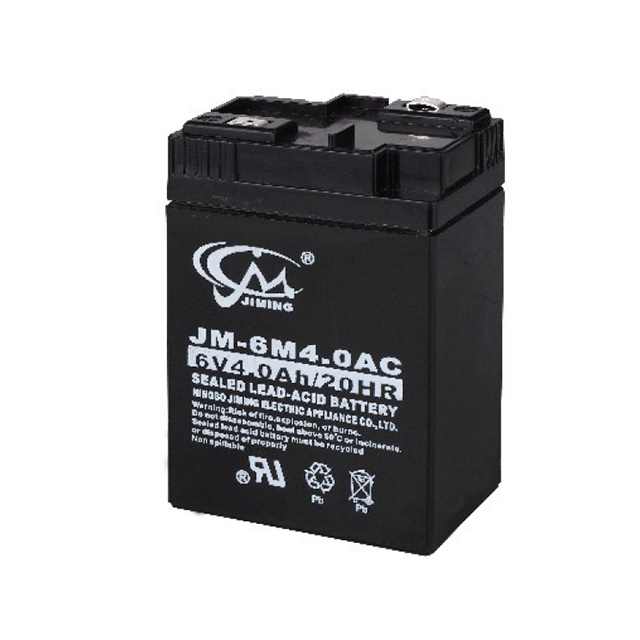
5.Install the New Battery
Place the new battery into the compartment, aligning it with the correct polarity. Connect the positive terminal first, followed by the negative terminal, ensuring a snug fit. Secure the battery in place using straps or brackets if provided. If the replacement battery is a different size, use spacers or foam padding to prevent movement, which could damage the terminals during vibration.
6.Test the Emergency Light
Close the battery compartment and restore power to the unit. Trigger a test cycle by pressing the “test” button (if available) or simulating a power outage by unplugging the light. The emergency light should illuminate immediately and remain on for the duration specified by the manufacturer (typically 90 minutes for commercial-grade units). If the light fails to activate, recheck the terminal connections and battery compatibility.
7.Dispose of the Old Battery Properly
Emergency light batteries contain hazardous materials and must be recycled according to local regulations. Contact a recycling center or electronics retailer that accepts rechargeable batteries. Never dispose of them in regular trash, as they can leak toxic chemicals into landfills.
Key Considerations When Replacing Emergency Light Batteries
1.Battery Quality Matters
Opt for reputable brands when purchasing replacement batteries. Cheap, off-brand batteries may have shorter lifespans or inconsistent performance, compromising the reliability of your emergency light. Look for products with certifications like UL (Underwriters Laboratories) or CE compliance.
2.Environmental Factors
Store spare batteries in a cool, dry place away from direct sunlight. Extreme temperatures (below 0°C or above 40°C) can accelerate battery degradation. Similarly, avoid installing emergency lights in areas prone to moisture or dust, as these can corrode terminals and reduce battery efficiency.
3.Regular Maintenance
Test your emergency lights monthly to ensure they function correctly. Clean the battery terminals annually to prevent corrosion, and replace the battery every 3–5 years, even if it hasn’t failed. Proactive maintenance minimizes the risk of sudden failure during an emergency.
4.Compatibility with Emergency Systems
If your emergency light is integrated with a building’s fire alarm or backup power system, consult a professional before replacing the battery. Some systems require specific battery models or firmware updates to maintain compliance with safety codes.
5.Avoid Overcharging
Most emergency lights charge automatically when connected to power, but prolonged overcharging can shorten battery life. If your unit lacks an automatic shutoff feature, consider using a timer to limit charging time to 8–12 hours daily.
Conclusion
Replacing the battery in an emergency light is a simple yet vital task that ensures these devices remain operational during power failures or crises. By following the steps outlined in this guide—identifying the correct battery type, handling the unit safely, and testing functionality post-replacement—you can maintain a reliable emergency lighting system. Remember to prioritize quality batteries, adhere to safety protocols, and perform routine maintenance to extend the lifespan of both the battery and the emergency light itself.
Emergency lights are often overlooked until they’re needed most, but proactive care can turn them into dependable guardians of safety. Whether in a household, office, or public venue, a well-maintained emergency light provides peace of mind and protects lives. Don’t wait for the next blackout to realize your battery needs replacement—act now to keep your emergency lights shining bright.

Phone: 0086-13566557272
Whatsapp: +86-13566557272
ADD: No.546 Qiye Road, Zhouxiang Town, Cixi, Zhejiang, China
ADD: Within Dinh Vu - Cat Hai Economic Zone, Dong Hai 2 Ward, Hai An District, Hai Phong City, Viet Nam
Customer Message


 Dual Head Emergency Light
 LED Emergency Light Remote Head
 Twin Spot Emergency Light
 Rechargeable LED Emergency Light
 Emergency Downlight
 Fire Exit Sign
 Running Man Exit Sign
 SALIDA Exit Signs
 SAÍDA Exit Signs
 Recessed Exit Sign
 UL Listed Exit Light
 Customized EXIT SIGN
 Power & Lighting Exit Sign
 Mounting & Housing Exit Sign
 Self Test Exit Sign
  Directional exit sign
 Custom Legends exit sign
 Custom Acrylic Signs
 LED Emergency Inverter
 Emergency Ballast
 Emergency Battery