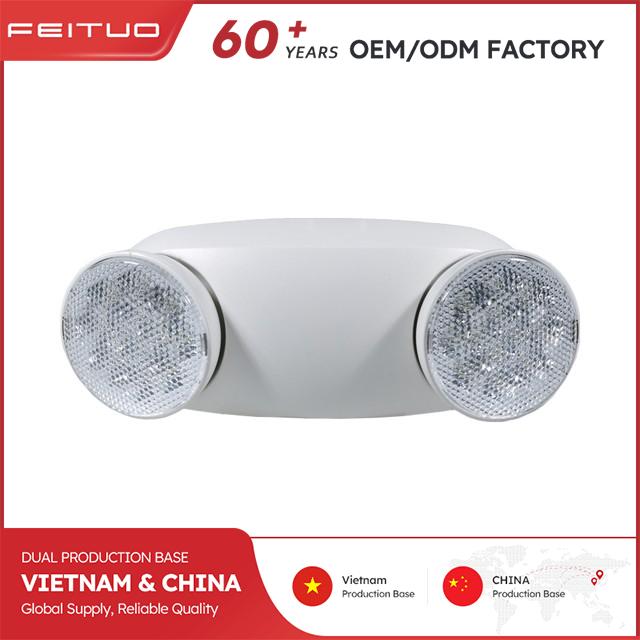
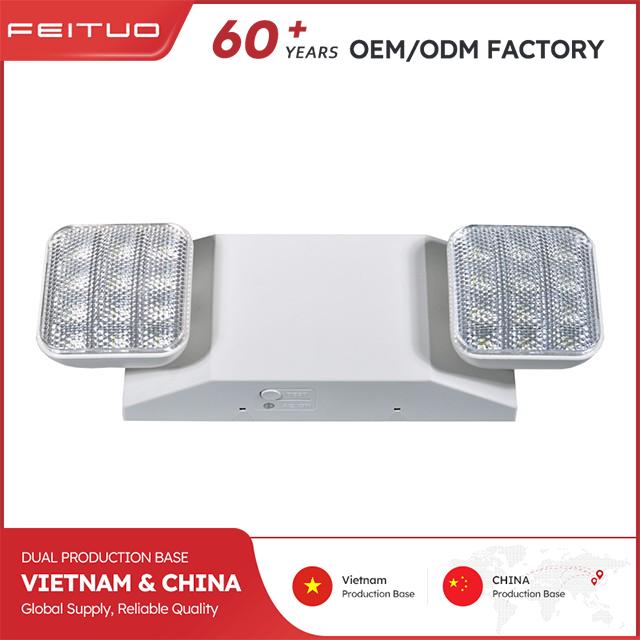
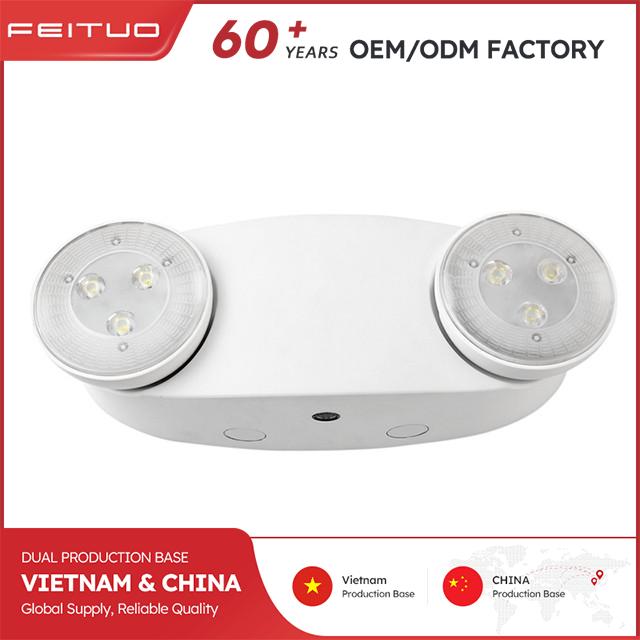
Emergency lighting plays a crucial role in ensuring the safety of occupants in buildings during power outages, fires, or other emergencies. It provides illumination to guide people to safe exits and helps in the orderly evacuation of a premises. Among the various standards governing emergency lighting, the UL (Underwriters Laboratories) standards are highly recognized and widely adopted in North America. This article delves into the details of the UL standard for emergency lighting, exploring its significance, key requirements, and the impact it has on the industry.
Overview of UL Standards
UL is a globally renowned independent safety science company that has been developing standards and conducting safety testing for over a century. Its standards are designed to ensure that products meet specific safety requirements, reducing the risk of fire, electric shock, and other hazards. In the context of emergency lighting, UL standards provide a framework for manufacturers to design, produce, and test their products to guarantee reliable performance in emergency situations.
The Core UL Standard: UL 924
The most prominent UL standard for emergency lighting is UL 924, titled "Standard for Safety for Emergency Lighting and Power Equipment." This standard has undergone several revisions over the years to keep up with technological advancements and changing safety needs. The latest version, as of 2025, incorporates updated requirements that reflect the current state of the industry.
Scope of UL 924
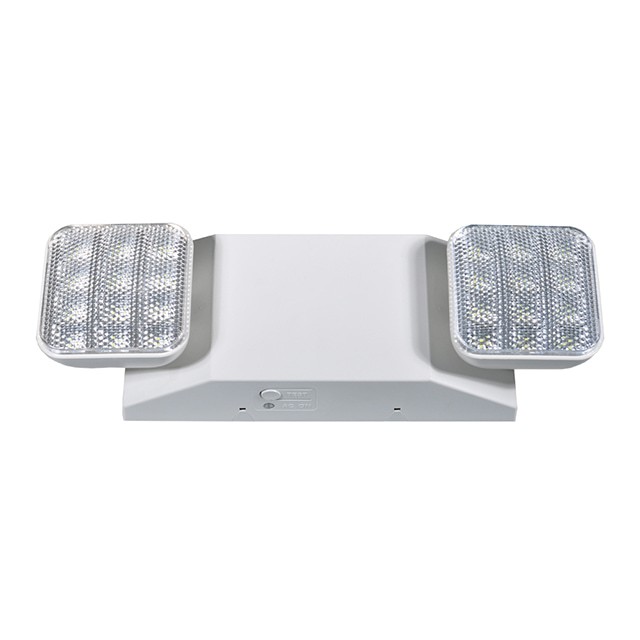
UL 924 covers a wide range of emergency lighting equipment, including luminaires with integral batteries or bypassable dimming controls that provide illumination when the normal power supply is disrupted. It also encompasses exit signs and pathway markings that offer directional guidance for leaving a building, as well as emergency power sources such as battery banks and uninterruptible power supplies that support critical systems. Additionally, controls, sensors, and related auxiliary devices that manage and maintain system functionality are within the scope of this standard.
Key Requirements of UL 924
1. Performance and Reliability: One of the fundamental requirements of UL 924 is that emergency lighting equipment must perform reliably in emergency situations. This means that the luminaires should provide sufficient illumination to facilitate safe egress. For example, in staircases and exit routes, the minimum illumination level at floor level should be not less than 2 lux in areas like nightclubs, restaurants, and dance halls, and not less than 1 lux in other premises where people have freedom of movement. The measurements are taken at the mid - point between any two emergency lighting luminaires, with a discretionary tolerance of minus 10% permitted.
2. Power Supply and Battery Requirements: Emergency lighting systems often rely on batteries as a backup power source. UL 924 specifies requirements for these batteries, including their type, capacity, and charging characteristics. For instance, many emergency lights use nickel - cadmium (NiCad) batteries, which are known for their reliability and long service life. The standard also requires that the batteries be able to provide power to the emergency lights for a specified duration, typically not less than 90 minutes. This ensures that there is enough time for occupants to evacuate the building safely, even in the event of a prolonged power outage.
3. Monitoring and Control Functions: A significant update in UL 924, effective from April 2022, mandates that UL 924 - listed emergency lighting components must actively monitor normal power. They should be able to deploy emergency lighting within 10 seconds of power loss. This change eliminated some previously allowed methods and emphasized the importance of real - time monitoring to ensure immediate response in emergencies.
4. Construction and Materials: The standard also addresses the construction and materials used in emergency lighting equipment. The housing of the luminaires should be made of fire - resistant materials, such as injection - molded thermoplastic ABS with a UL - 94V0 flame rating. This helps to prevent the spread of fire and ensures the integrity of the emergency lighting system during a fire incident.
Other Related UL Standards
In addition to UL 924, there are other UL standards that are relevant to emergency lighting in specific contexts.
1. UL 924A: This is the Outline of Investigation (OOI) for Emergency Signs with Alternative Visual Designs. It provides a certification path for exit signs that have alternative design features, such as an arrow instead of a chevron or variations to the ISO 7010 “running man” graphical symbol. This standard allows for cultural and regional adaptations of exit signs while still ensuring that they meet the performance objectives of UL 924 and respect the authority of local jurisdictions.
2. UL 1994: The Standard for Luminous Egress Path Marking Systems focuses on photoluminescent products used in exit sign and path marking subsectors. These products absorb and store light energy and then emit it in the dark, providing a low - cost and energy - efficient solution for guiding occupants during emergencies.
Impact of UL Standards on the Emergency Lighting Industry
The UL standards have a profound impact on the emergency lighting industry, from manufacturers to end - users.
1. Manufacturers: For manufacturers, compliance with UL standards is essential to enter the North American market. Meeting these standards requires significant investment in research and development, testing, and quality control. However, it also provides a competitive advantage, as UL - listed products are perceived as safer and more reliable by customers. Manufacturers need to stay updated with the latest revisions of the standards to ensure that their products continue to meet the requirements.
2. End - Users: End - users, such as building owners and facility managers, benefit from UL - listed emergency lighting products. These products offer peace of mind, knowing that they have been tested and certified to meet strict safety standards. In the event of an emergency, they can rely on the emergency lighting system to function as intended, facilitating the safe evacuation of occupants. Moreover, compliance with UL standards is often a requirement for building codes and regulations, ensuring that buildings meet the minimum safety requirements.
Conclusion
The UL standard for emergency lighting, primarily represented by UL 924, plays a vital role in ensuring the safety and reliability of emergency lighting systems in North America. By setting strict requirements for performance, power supply, monitoring, and construction, UL standards help to protect the lives of building occupants during emergencies. Manufacturers who produce UL - listed emergency lights are committed to meeting these high - quality standards, providing end - users with products that they can trust. As technology continues to advance and new safety challenges emerge, the UL standards will evolve to keep pace, ensuring that emergency lighting remains an effective and essential component of building safety systems. Whether it is in commercial buildings, public facilities, or residential complexes, the presence of UL - listed emergency lights is a testament to the industry's dedication to safety and the well - being of the community.

Phone: 0086-13566557272
Whatsapp: +86-13566557272
ADD: No.546 Qiye Road, Zhouxiang Town, Cixi, Zhejiang, China
ADD: Within Dinh Vu - Cat Hai Economic Zone, Dong Hai 2 Ward, Hai An District, Hai Phong City, Viet Nam
Customer Message


 Dual Head Emergency Light
 LED Emergency Light Remote Head
 Twin Spot Emergency Light
 Rechargeable LED Emergency Light
 Emergency Downlight
 Fire Exit Sign
 Running Man Exit Sign
 SALIDA Exit Signs
 SAÍDA Exit Signs
 Recessed Exit Sign
 UL Listed Exit Light
 Customized EXIT SIGN
 Power & Lighting Exit Sign
 Mounting & Housing Exit Sign
 Self Test Exit Sign
  Directional exit sign
 Custom Legends exit sign
 Custom Acrylic Signs
 LED Emergency Inverter
 Emergency Ballast
 Emergency Battery