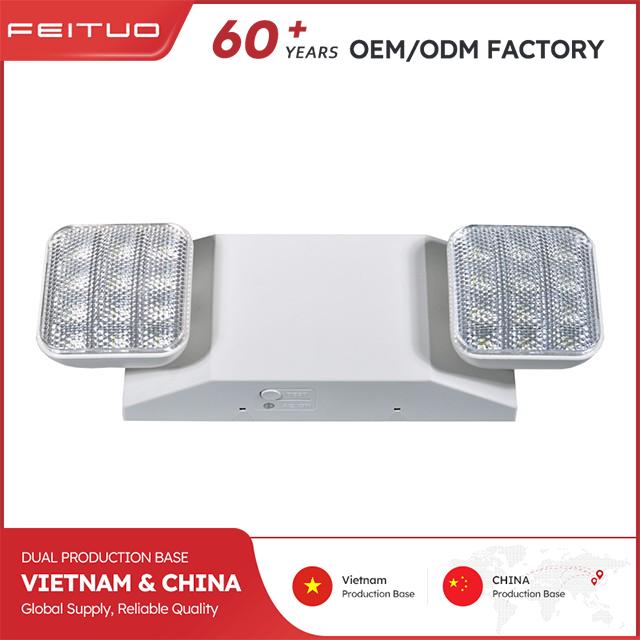
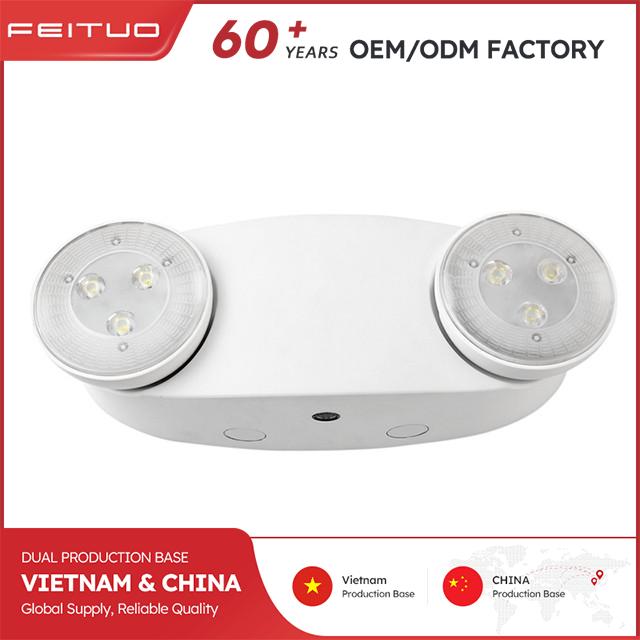
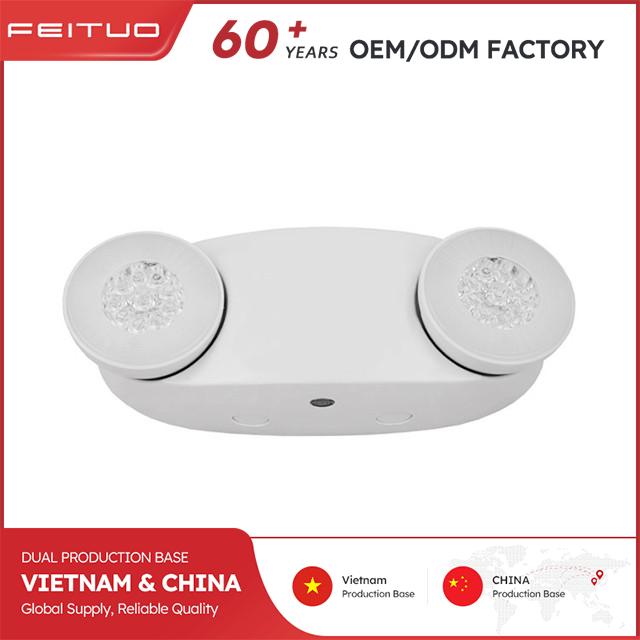
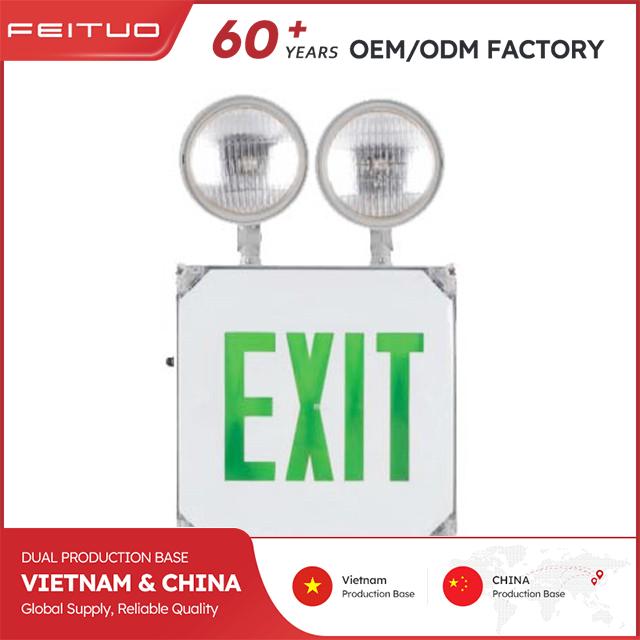
In an era where power outages can occur unexpectedly due to natural disasters, grid failures, or maintenance issues, having a reliable emergency light at home is no longer a luxury but a necessity. These lights not only provide illumination during dark times but also ensure safety, facilitate navigation, and offer peace of mind. With a plethora of options available in the market, choosing the best emergency light for home can be a daunting task. This article aims to guide you through the selection process by exploring different types of emergency lights, their features, and factors to consider when making a purchase.
Types of Emergency Lights for Home
Battery-Powered LED Emergency Lights
Battery-powered LED emergency lights are among the most popular and efficient choices for home use. They combine the energy-saving benefits of LED technology with long-lasting rechargeable batteries. These lights offer several advantages, including high energy efficiency, extended runtime, and bright, consistent illumination. They automatically activate during power failures, eliminating the need for manual operation. Additionally, they require low maintenance, with self-charging systems available in multiple form factors such as ceiling-mounted, plug-in, and portable options.
However, battery lifespan degrades over time, typically lasting between 3 to 5 years, and requires occasional testing and replacement. They are also dependent on grid power for recharging, which can be a limitation during prolonged outages. These lights are best suited for hallways, stairwells, basements, and primary living areas where automatic, hands-free lighting is crucial.
Solar Emergency Lights
For those seeking an environmentally friendly and off-grid capable solution, solar-powered emergency lights are an excellent choice. These lights use photovoltaic panels to charge internal batteries during daylight hours, providing illumination during the night or power outages. They are completely independent of the electrical grid, have zero operating costs after the initial purchase, and are ideal for outdoor use in patios, garages, and sheds. Some models can even double as garden or security lighting.
However, the performance of solar emergency lights depends on sunlight exposure. They may not charge adequately during prolonged cloudy weather and have slower recharge times compared to electrical charging. These lights are best suited for rural homes, off-grid cabins, outdoor areas, and regions with frequent or extended power outages.

Physical & Chemical-Powered Lights
Non-electric lighting solutions, such as physical and chemical-powered lights, generate light through mechanical motion or chemical reactions. These lights are highly reliable when batteries and electricity are unavailable. They offer advantages such as no reliance on batteries or electricity, long shelf life (years for glow sticks, indefinite for wind-up flashlights), and immediate activation in any condition. They are ideal for extreme emergencies and evacuation kits.
However, these lights have limitations, including shorter illumination duration (especially chemical types), lower brightness compared to LEDs, and potential safety concerns with open flames (oil/gas lamps). They are best suited for emergency go-bags, camping, disaster preparedness kits, and backup scenarios where power sources are exhausted.
Hybrid Emergency Lights
Combining multiple power sources, such as AC, battery, solar, and hand-crank, hybrid emergency lights offer maximum reliability and adaptability in unpredictable situations. They have multiple redundancy options that ensure continuous operation, even when one power source fails. These lights can be charged via a wall outlet, solar panel, or manual crank, making them versatile for various use cases.
Hybrid emergency lights are ideal for households that require a high level of preparedness and want to ensure uninterrupted illumination during power outages. They are suitable for all areas of the home, including hallways, stairwells, bedrooms, and basements.

Key Features to Consider When Choosing an Emergency Light
Automatic Sensor Activation
The best emergency lights should switch on instantly when power is cut, eliminating the need to search for switches or batteries in the dark. This feature ensures that you have immediate illumination when you need it most, enhancing safety and convenience.
Battery Backup Duration
Aim for an emergency light that offers at least 3–4 hours of continuous runtime on a full charge. Some premium models now offer up to 8 hours or more, providing ample illumination during short-term blackouts or until backup generators kick in. Consider your household's needs and the frequency of power outages in your area when choosing a light with an appropriate battery backup duration.
LED Efficiency
LED bulbs are the preferred choice for emergency lights due to their energy efficiency and long lifespan. They consume minimal power and can last over 50,000 hours, making them ideal for emergency use. LED lights also provide bright, consistent illumination, ensuring that you can see clearly during power outages.
Dual Functionality
Many emergency lights now offer dual functionality, doubling as night lights or including USB charging ports. This increases their everyday utility and makes them more versatile. For example, a light that doubles as a night light can provide soft illumination in bedrooms or hallways at night, while a USB charging port allows you to charge your phone or other devices during power outages.
Compact Design
A slim profile ensures that the emergency light doesn't block outlets or look obtrusive in living spaces. Compact designs are also easier to store and carry, making them ideal for use in various areas of the home or for taking with you during evacuations.
Manual Test Button
A manual test button allows you to verify the battery health and functionality of the emergency light monthly. This ensures that the light is always ready for use when you need it and helps you identify any issues before they become critical.
Conclusion
Choosing the best emergency light for home requires careful consideration of various factors, including the type of light, its features, and your household's needs. Battery-powered LED emergency lights offer high energy efficiency and extended runtime, making them a popular choice for many households. Solar emergency lights provide an environmentally friendly and off-grid capable solution, ideal for outdoor use and regions with frequent power outages. Physical and chemical-powered lights are highly reliable in extreme emergencies, while hybrid emergency lights offer maximum reliability and adaptability.
When selecting an emergency light, prioritize features such as automatic sensor activation, battery backup duration, LED efficiency, dual functionality, compact design, and a manual test button. By considering these factors and choosing a light that meets your specific needs, you can ensure that you have a reliable source of illumination during power outages, enhancing safety and peace of mind in your home. Remember, investing in a high-quality emergency light is a small price to pay for the safety and security it provides during unexpected emergencies.

Phone: 0086-13566557272
Whatsapp: +86-13566557272
ADD: No.546 Qiye Road, Zhouxiang Town, Cixi, Zhejiang, China
ADD: Within Dinh Vu - Cat Hai Economic Zone, Dong Hai 2 Ward, Hai An District, Hai Phong City, Viet Nam
Customer Message


 Dual Head Emergency Light
 LED Emergency Light Remote Head
 Twin Spot Emergency Light
 Rechargeable LED Emergency Light
 Emergency Downlight
 Fire Exit Sign
 Running Man Exit Sign
 SALIDA Exit Signs
 SAÍDA Exit Signs
 Recessed Exit Sign
 UL Listed Exit Light
 Customized EXIT SIGN
 Power & Lighting Exit Sign
 Mounting & Housing Exit Sign
 Self Test Exit Sign
  Directional exit sign
 Custom Legends exit sign
 Custom Acrylic Signs
 LED Emergency Inverter
 Emergency Ballast
 Emergency Battery