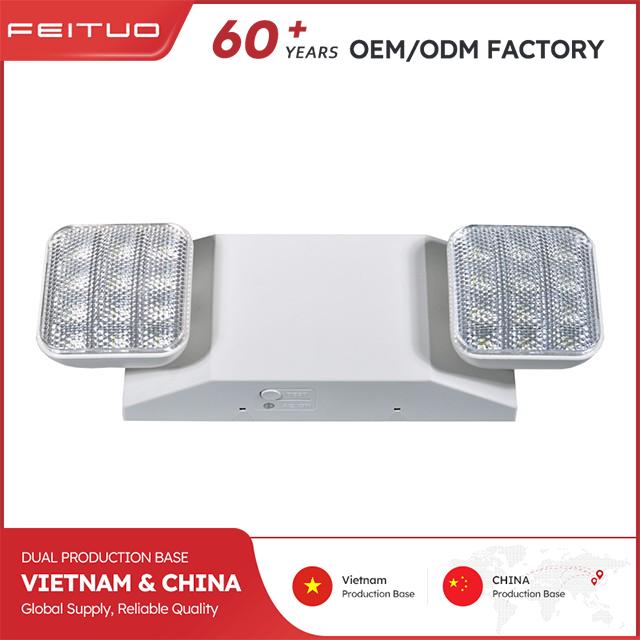
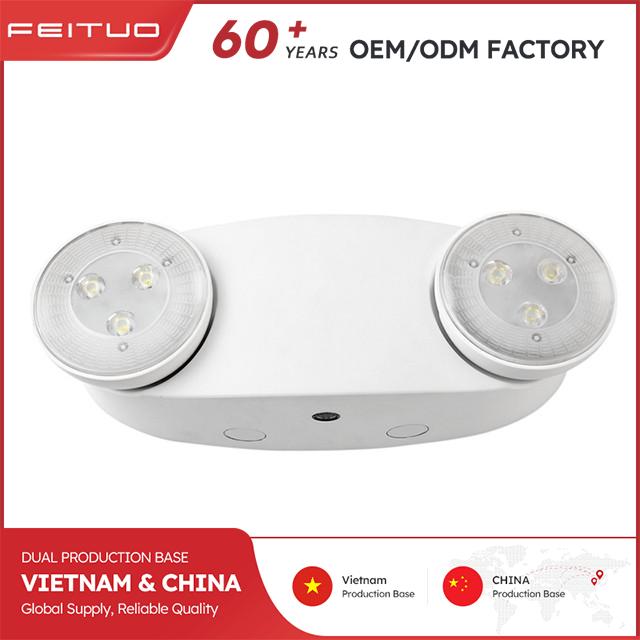
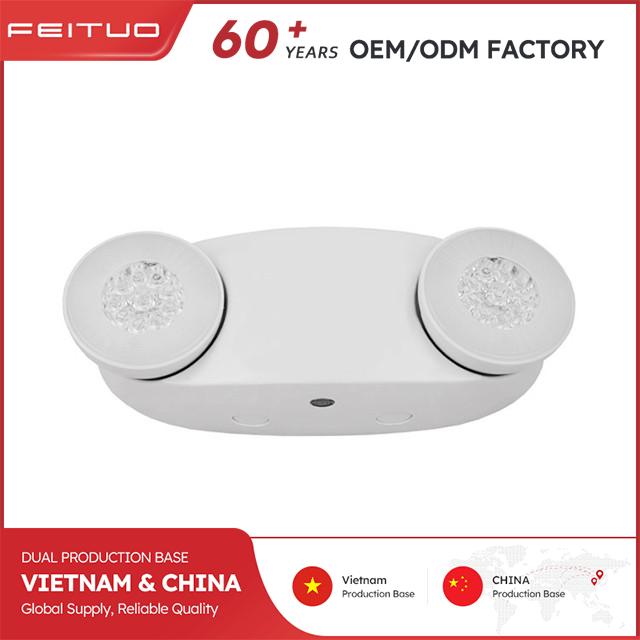
A non maintained emergency light stays off under normal conditions and turns on only when the main power fails. This differs from maintained emergency lights, which stay lit at all times. You use non maintained types in places where people know the exit routes. These lights play a vital role in safety and help you meet strict regulations in regions like the United States and Europe. FEITUO leads the industry with durable, energy-efficient emergency light solutions that make compliance and protection simple.
Non maintained emergency lights stay off during normal conditions and activate automatically during power failures, ensuring safety without wasting energy.
Regular maintenance and testing of emergency lights are crucial. Check batteries and functionality monthly to ensure they work when needed.
Install non maintained emergency lights in areas where people know exit routes, such as offices and schools, to guide them safely during emergencies.
Compliance with local safety regulations is essential. Always check that your emergency lights meet legal standards to avoid fines and ensure safety.
FEITUO emergency lights offer energy efficiency and reliability, providing at least 90 minutes of light during outages to help with safe evacuations.
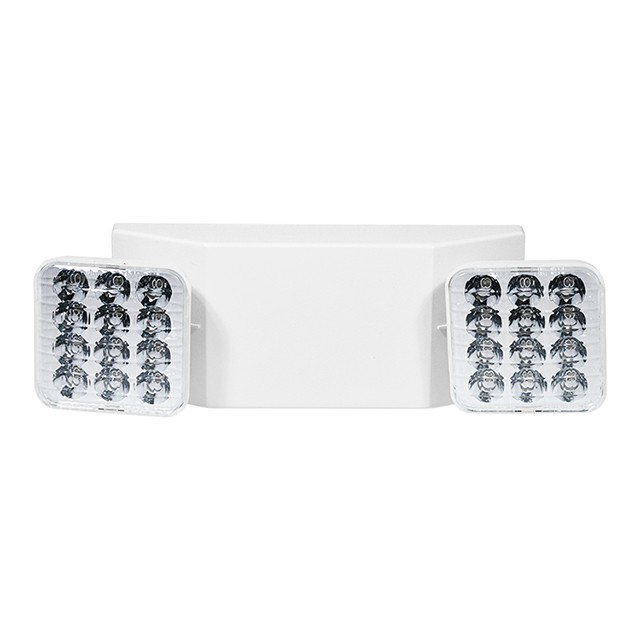
You use a non maintained emergency light in places where you do not need extra lighting during normal hours. This type of light stays off when the main power works. It only turns on when the main power fails. The system uses two power sources. The main electrical supply powers the building most of the time. The backup battery stays ready for emergencies. You do not need to switch the light on yourself. The system does this for you.
Tip: Regular checks on the battery keep your emergency light ready for any situation.
When the main power goes out, the emergency light activates automatically. You do not have to do anything. The system switches to battery power in less than 10 seconds. This quick response helps you see clearly and move safely. FEITUO emergency lights can provide at least 90 minutes of light after a power outage. The lights do not flicker or delay because the wiring connects the battery directly to the fixture. You can trust FEITUO’s technology to work every time.
Here is a simple comparison between maintained and non maintained emergency lights:
Feature | Maintained Emergency Lights | Non-Maintained Emergency Lights |
|---|---|---|
Activation during normal power | Always on | Off during normal operation |
Power source | Draw from main power, switch to battery during outages | Activate only during power failures |
Best use case | Public areas where occupants may not know evacuation routes | Areas where occupants typically know evacuation routes (offices) |
Purpose | Dual purpose: normal and emergency lighting | Dedicated emergency lighting only |
You find non maintained emergency lights in many places. These include offices, factories, and commercial buildings. You use them for escape routes. The lights stay off during normal times, which saves energy. When an emergency happens, the lights turn on and guide you to safety. You can also see these lights in manufacturing projects. They help you follow safety rules and keep everyone safe.
Non maintained emergency lights work best in areas where people know the exit routes.
The lights are easy to spot during testing, so you can check if they work.
You reduce energy use because the lights stay off until needed.
You can rely on FEITUO emergency lights for safety and peace of mind in any emergency.
You depend on emergency light systems to keep people safe during unexpected power failures. These lights help prevent panic and guide everyone toward exits. When the main power goes out, you see clear pathways. You avoid confusion and move quickly to safety. FEITUO designs emergency light fixtures with durable materials. You get protection from heat, water, and dust. You trust these lights to work every time. You also reduce risks in crowded places like schools, hospitals, and offices. Reliable emergency lighting helps you meet safety rules and protect lives.
Note: Emergency lights play a key role in safe evacuation. You can rely on them to show exit routes and keep people calm.
You save energy when you use non maintained emergency lights. These lights stay off during normal hours. They only turn on when you need them. You lower your energy bills and help the environment. FEITUO uses advanced LED technology. You get bright light with less power. You also benefit from automatic testing features. The system checks battery status and circuit health without manual effort.
Here is a comparison of energy use between maintained and non maintained types:
Type | Typical Application | Normal Energy Use | Testing Focus |
|---|---|---|---|
Maintained | Exit signs, public assembly, retail paths | Higher | Lamp status, battery duration, charger health |
Non-Maintained | Escape routes, corridors, stairs | Lower | Automatic start, battery duration |
You choose non maintained emergency lights for areas where you want to save energy and still meet safety needs.
Many modern LED emergency exit lights include self-testing capabilities.
Diagnostic indicators are often color-coded to show system status: a steady green light indicates normal operation, while amber or red signals indicate faults.
Flashing patterns may indicate specific issues such as battery failure or charging problems.
You must follow strict rules for emergency lighting in public spaces. FEITUO emergency light products meet top certifications like UL, FCC, CE, and IEC. You get peace of mind knowing your lights pass tough safety tests. You also make inspections easier with automatic testing features. You keep records and show compliance during audits. Certified emergency lights help you avoid fines and protect your reputation.
Tip: Always check for certification marks on your emergency light fixtures. You ensure your building meets legal standards and stays safe.
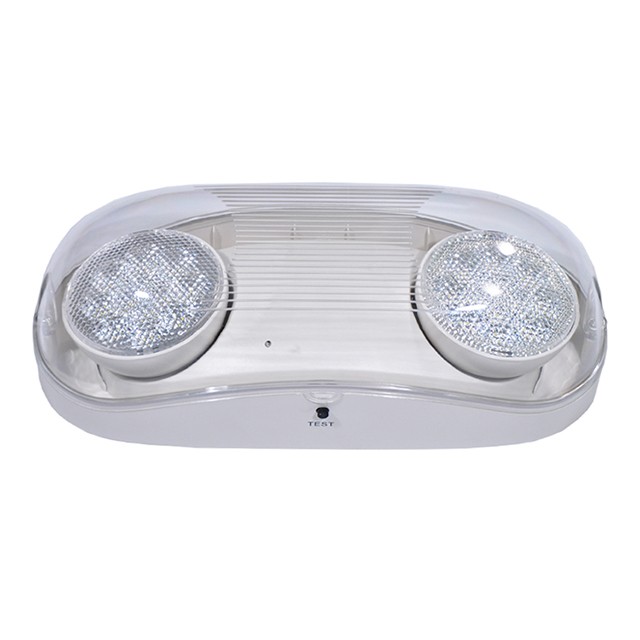
You need to place non maintained emergency lights in areas where people must find exits quickly during an emergency. These lights work best in buildings where you want to save energy but still keep everyone safe. You see them in schools, hotels, offices, and hospitals. You also find them in factories, shopping centers, and public buildings.
Here is a table that shows where you usually install non maintained emergency lights in different types of facilities:
Facility Type | Common Installation Sites |
|---|---|
School, daycare, etc. | Exit signs at all exits, emergency lighting in corridors, classrooms, auditoriums, and gymnasiums. |
Exterior emergency lighting covering paths from exit doors to public ways. | |
Hotel, motel, etc. | Exit signs and emergency lighting in every corridor, stairwells, guest room corridors, and common areas. |
Emergency lighting at every landing in stairwells, and visible exit signs from guest room doors. |
You should also install these lights in stairwells, hallways, and near exit doors. This helps everyone see the way out, even if the power goes out. You make sure that no one gets lost or confused during an emergency.
Tip: Place emergency lights where people gather or move, like lobbies, cafeterias, and waiting rooms.
You must follow rules when you install non maintained emergency lights. These rules help keep everyone safe and make sure your building passes inspections. The law tells you where to put exit signs and how to connect them to power. You need to check that your lights meet local building codes, like Section BC 1013 of the 2022 NYC Building Code.
Here is a table that explains some important legal requirements:
Requirement | Description |
|---|---|
Exit Sign Placement | Place exit signs at least five feet away from fire alarm strobes. |
Connection to Emergency Lighting | In buildings with a generator, connect exit signs to the emergency lighting panel through a transfer switch. |
Battery Packs | In buildings without a generator, use battery packs powered from the same source as area lighting. |
Egress Requirements | Place exit signs outside mechanical rooms that need two ways out. |
Compliance | Make sure exit signs follow Section BC 1013 of the 2022 NYC Building Code. |
Visibility | No point in a corridor should be more than 100 feet from the nearest visible exit sign. |
Preferred Mounting | Wall-mounted exit signs are better than pendant-mounted ones. |
You should always check your local codes before you install emergency lights. This helps you avoid problems and keeps your building safe for everyone.
You can install non maintained emergency lights by following a few simple steps. Start by choosing a location near exit routes or stairwells. Make sure the spot is visible and free from obstructions. Use the mounting hardware that comes with your FEITUO emergency light. Secure the fixture to the wall or ceiling. Connect the wires to the main power supply. Double-check all connections for safety. Insert the backup battery into the unit. Test the light by turning off the main power. The emergency light should turn on right away. Restore the power and check that the battery starts charging.
Tip: Always follow the instructions in your product manual for the best results.
You keep your emergency lights reliable by following these best practices:
Test your emergency lights on a regular schedule.
Check the battery health and replace it before it gets weak.
Make sure the area around the light stays clean and dry.
Record every inspection and battery change in a logbook.
Replace old batteries before they stop working.
Many FEITUO emergency lights have self-diagnostic features. These features check the battery and circuits for you. You see a green light when everything works well. If there is a problem, the light turns red or yellow.
You should test your non maintained emergency lights to make sure they work in an emergency. Follow these steps:
Simulate a power outage by switching off the circuit breaker.
Watch for the emergency light to turn on within 30 seconds.
Check that all exit signs and emergency lights are bright and clear.
Walk along the escape route to see if the path stays lit.
Turn the power back on and confirm the system starts to recharge.
Note: FEITUO’s automatic testing makes these checks easier. The system runs tests and shows you the results with indicator lights.
Regular installation, maintenance, and testing keep your emergency lighting system ready for any emergency.
You must follow strict safety standards when you install non maintained emergency lights. These standards help you keep your building safe and make sure everyone can find the exits during an emergency. Many codes and regulations guide you in the United States and Europe. You see these standards in the table below:
Standard Code | Description |
|---|---|
BS 5266‑1:2025 | Code of practice – Emergency lighting of premises |
BS EN 1838:2024 | Lighting applications – Emergency lighting for buildings |
BS EN 50172:2024 | Emergency escape lighting systems |
BS EN IEC 60598‑2‑22:2022 | Emergency luminaires |
BS EN 50171:2021 | Central safety power supply systems |
BS EN ISO 7010:2020+A8:2024 | Safety signs, viewing distances |
BS 7671:2018+A3:2024 | IET Wiring Regulations |
BS EN IEC 62485‑5 | Stationary Li‑ion battery safety |
Regulatory Reform (Fire Safety) Order 2005 | Emergency routes/exits require lighting when normal power fails |
Approved Document B | Guidance for emergency lighting provisions |
Safety Signs and Signals Regs 1996 | Powered signs must have emergency supply if hazards persist |
You need to check these codes before you install emergency lights. If you do not follow them, you risk fines, legal problems, and even building closure. You also put people in danger during emergencies.
Note: Fines can range from hundreds to thousands of dollars for each violation. Repeat offenses may lead to higher penalties.
You must inspect your emergency lights regularly. You keep records to show your lights work and meet local codes. Good documentation helps you pass inspections and avoid penalties. You should follow these practices:
Assign unique IDs to each fixture and record their location, model, and installation date.
Keep a centralized log for all emergency lights.
Record monthly and annual test results, including brightness and activation time.
Track repairs and note any patterns in fixture failures.
Schedule tests at consistent intervals.
Make sure your records meet requirements like NFPA 101 and local standards.
Documentation Practice | Description |
|---|---|
Record Keeping | Document activation time, brightness, and duration before dimming |
Unique Identifiers | Assign IDs, record location and installation date |
Test Results | Record dates, times, performance, and corrective actions |
Track Repairs | Note issues and repairs, identify patterns |
Compliance Verification | Ensure records meet local code requirements |
Scheduled Tests | Conduct tests at regular intervals |
You protect your building and everyone inside by keeping your emergency lighting system compliant and well-documented.
You protect lives and meet legal requirements when you install non maintained emergency lights. Regular maintenance keeps your system reliable and prevents battery failure. FEITUO offers certified products with strong technical support and custom solutions. You benefit from brighter visibility and longer battery life.
Evidence | Description |
|---|---|
Safety Role | Emergency lighting guides people during evacuations and prevents injuries. |
Compliance | Regular testing and documentation are legal requirements for public spaces. |
Consult FEITUO or lighting experts for solutions that fit your building’s needs.
A non maintained emergency light stays off during normal times. It turns on only when the main power fails. You use it to help people find exits in emergencies.
You should test your emergency lights every month. Press the test button or turn off the power to check if the light works. Record each test in your logbook.
You should install these lights near exits, stairwells, and escape routes. Place them where people need clear paths during emergencies. Always follow local building codes for placement.
FEITUO emergency lights provide at least 90 minutes of light after a power failure. This gives you enough time to evacuate safely.
Yes! Many FEITUO models include automatic testing and self-diagnostic features. You can see the system status with indicator lights. This helps you keep your lights ready for emergencies.

Phone: 0086-13566557272
Whatsapp: +86-13566557272
ADD: No.546 Qiye Road, Zhouxiang Town, Cixi, Zhejiang, China
ADD: Within Dinh Vu - Cat Hai Economic Zone, Dong Hai 2 Ward, Hai An District, Hai Phong City, Viet Nam
Customer Message


 Dual Head Emergency Light
 LED Emergency Light Remote Head
 Twin Spot Emergency Light
 Rechargeable LED Emergency Light
 Emergency Downlight
 Fire Exit Sign
 Running Man Exit Sign
 SALIDA Exit Signs
 SAÍDA Exit Signs
 Recessed Exit Sign
 UL Listed Exit Light
 Customized EXIT SIGN
 Power & Lighting Exit Sign
 Mounting & Housing Exit Sign
 Self Test Exit Sign
  Directional exit sign
 Custom Legends exit sign
 Custom Acrylic Signs
 LED Emergency Inverter
 Emergency Ballast
 Emergency Battery