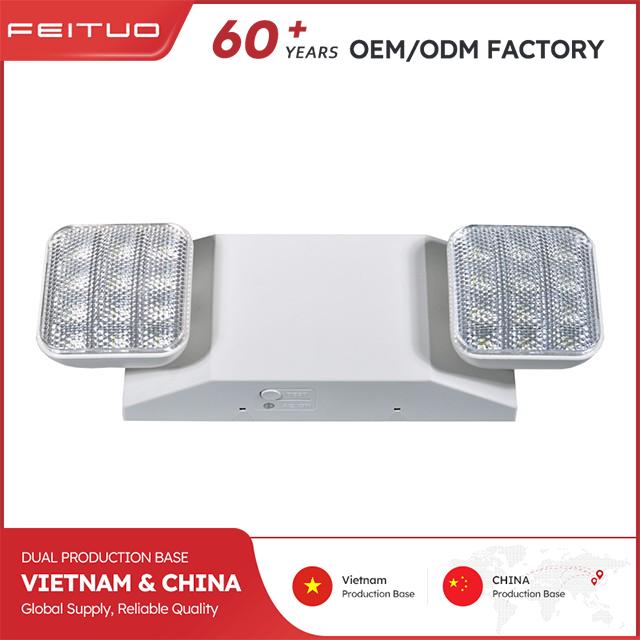
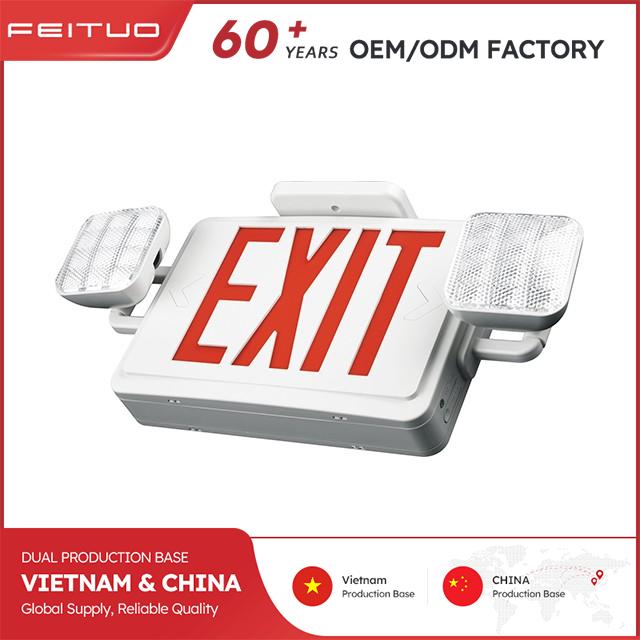
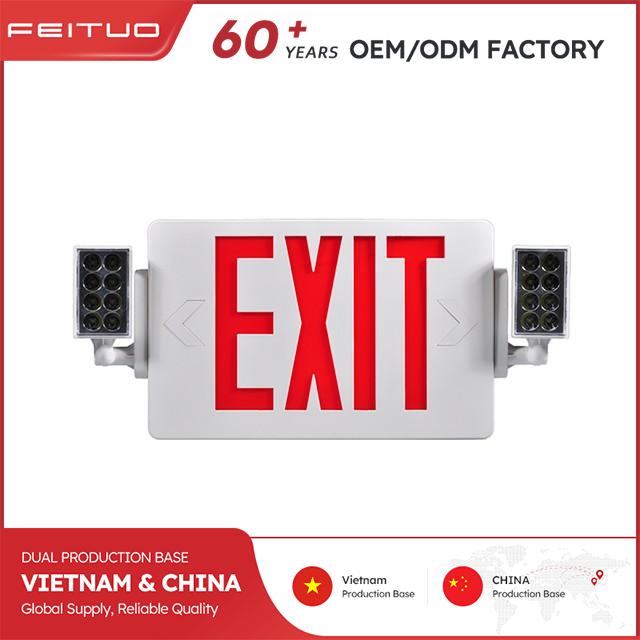
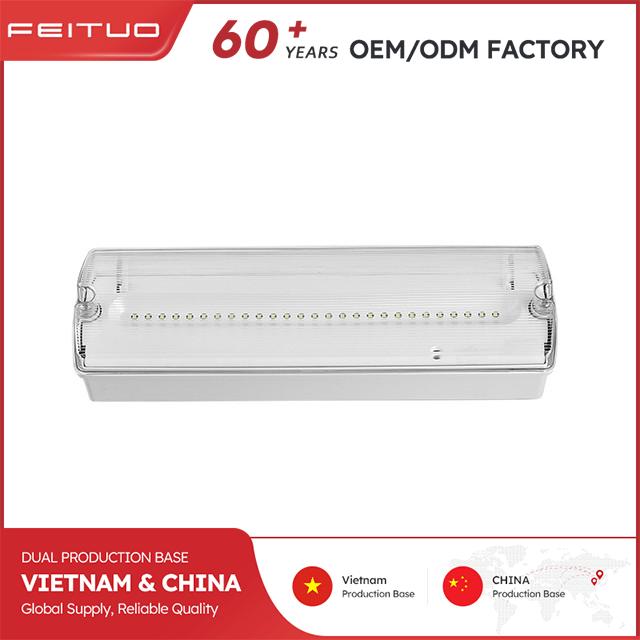
Emergency lighting is a critical component of modern safety infrastructure, designed to activate automatically during power failures or emergencies to guide occupants to safety. From commercial buildings to temporary structures like wedding tents, its functionality hinges on advanced engineering and adherence to international safety standards. This article explores the mechanisms, classifications, and real-world applications of emergency lighting systems, emphasizing their role in ensuring safety in diverse environments.
Core Components and Power Sources
Emergency lighting systems rely on dual power sources to ensure uninterrupted operation. Primary power is typically drawn from the main electrical grid, while backup power is stored in rechargeable batteries or generated by diesel generators. For instance, in high-rise buildings, emergency lighting is often integrated with normal lighting fixtures but connected to a dedicated circuit powered by a central battery system. This setup ensures that even if the main power fails, the lighting remains functional for a specified duration, usually 90 minutes, as mandated by standards like the NFPA 101 Life Safety Code.
The batteries, often lithium-ion or nickel-cadmium, are housed in weatherproof enclosures with an IP65 rating, protecting them from dust and water ingress. This durability is crucial for outdoor applications, such as illuminating pathways in wedding tents during evening events. Advanced systems incorporate smart charging circuits to prevent overcharging and extend battery lifespan, ensuring reliability when needed most.
Classification and Illumination Standards
Emergency lighting is categorized into three types based on its purpose:
1.Evacuation Lighting:Provides illumination along escape routes, ensuring a minimum of 1 lux on the ground to prevent trips and falls. In wedding tents, this might include LED strip lights along aisles or glow-in-the-dark exit signs.
2.Standby Lighting:Maintains partial illumination in critical areas like control rooms or medical facilities, typically at 10% of normal lighting levels. For example, a wedding tent hosting a reception might use standby lighting to keep the dance floor dimly lit during a power outage.
3.Anti-Panic Lighting:Reduces anxiety in open areas by providing diffuse, low-level illumination. In large wedding tents, this could involve ceiling-mounted bulkhead lamps with frosted covers to avoid harsh glare.
The NFPA mandates a minimum of 0.2 lux at floor level for evacuation routes, while the International Building Code (IBC) requires emergency lighting to activate within 10 seconds of a power failure. These standards ensure consistency across applications, from corporate offices to temporary event spaces.

Activation Mechanisms and Control Systems
Emergency lighting systems are activated through automated sensors or manual overrides. Photocells detect power failures by monitoring voltage fluctuations, triggering battery backup instantly. In sophisticated setups, microprocessors manage multiple zones, prioritizing critical areas like exits or stairwells. For example, a wedding tent equipped with a smart lighting system might use occupancy sensors to dim non-essential lights during an emergency, conserving battery power for evacuation routes.
Some systems integrate with fire alarms or building management systems (BMS) for centralized control. In a wedding venue, this could mean linking emergency lighting to the venue’s BMS, ensuring all tents and adjacent buildings activate simultaneously during a drill or real emergency. Wireless communication protocols like Zigbee or LoRa enable remote monitoring, allowing event organizers to check battery status or test systems via a smartphone app.
Real-World Applications: Wedding Tents and Beyond
Temporary structures like wedding tents pose unique challenges for emergency lighting. Their open design and lack of permanent wiring require portable, battery-powered solutions. Modern IP65-rated emergency bulkhead lamps are ideal for such settings, offering waterproof construction and 180-minute runtime. These lamps can be mounted on tent poles or suspended from ceilings, providing uniform illumination without compromising aesthetics.
In a 2024 case study, a wedding venue in California deployed solar-powered emergency lights in its tents, combining sustainability with safety. The system used photovoltaic panels to charge batteries during the day, ensuring full operation at night. This approach reduced reliance on grid power and minimized carbon footprint, aligning with the venue’s eco-friendly branding.
Conclusion
Emergency lighting is a sophisticated yet often overlooked safety feature, combining robust engineering with intuitive design to protect lives in crises. From the automated sensors in high-rise buildings to the portable bulkhead lamps in wedding tents, its adaptability ensures functionality across diverse environments. For event organizers, investing in IP65-rated, solar-powered systems offers dual benefits: compliance with safety regulations and enhanced guest experience. As temporary structures like wedding tents grow in popularity, the integration of smart, sustainable emergency lighting will become indispensable, turning potential hazards into havens of safety. Whether illuminating a grand exit or guiding guests through an unexpected outage, these systems embody the principle that preparedness is the cornerstone of confidence—in both architecture and life’s most cherished moments.

Phone: 0086-13566557272
Whatsapp: +86-13566557272
ADD: No.546 Qiye Road, Zhouxiang Town, Cixi, Zhejiang, China
ADD: Within Dinh Vu - Cat Hai Economic Zone, Dong Hai 2 Ward, Hai An District, Hai Phong City, Viet Nam
Customer Message


 Dual Head Emergency Light
 LED Emergency Light Remote Head
 Twin Spot Emergency Light
 Rechargeable LED Emergency Light
 Emergency Downlight
 Fire Exit Sign
 Running Man Exit Sign
 SALIDA Exit Signs
 SAÍDA Exit Signs
 Recessed Exit Sign
 UL Listed Exit Light
 Customized EXIT SIGN
 Power & Lighting Exit Sign
 Mounting & Housing Exit Sign
 Self Test Exit Sign
  Directional exit sign
 Custom Legends exit sign
 Custom Acrylic Signs
 LED Emergency Inverter
 Emergency Ballast
 Emergency Battery