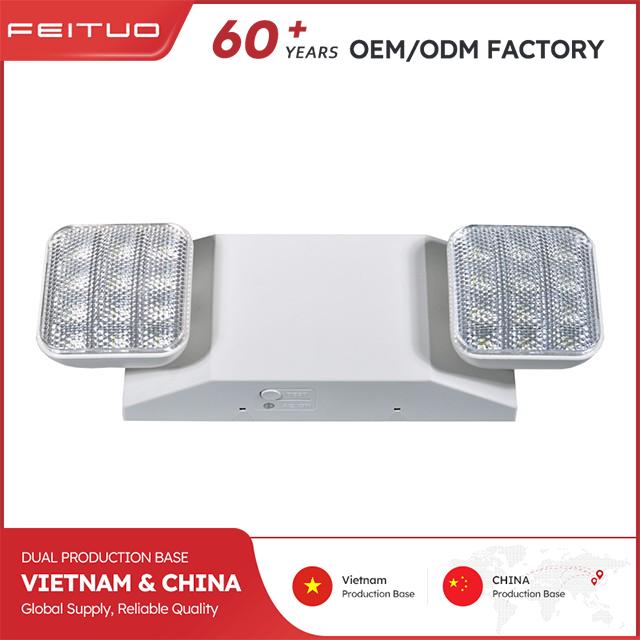
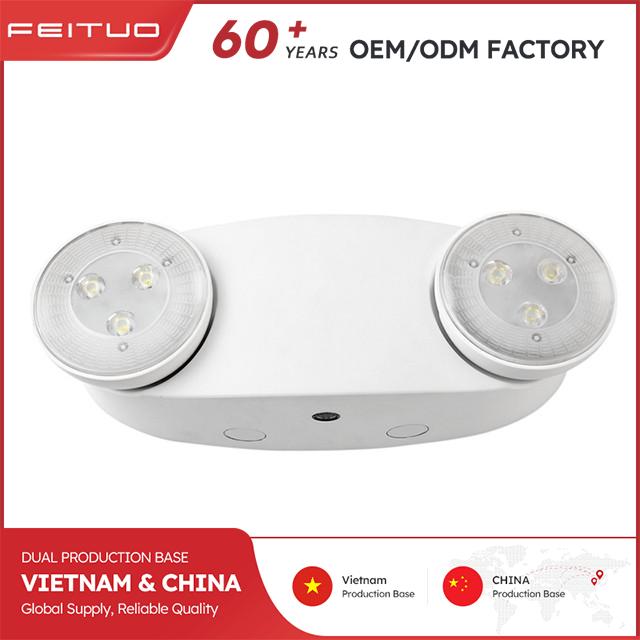
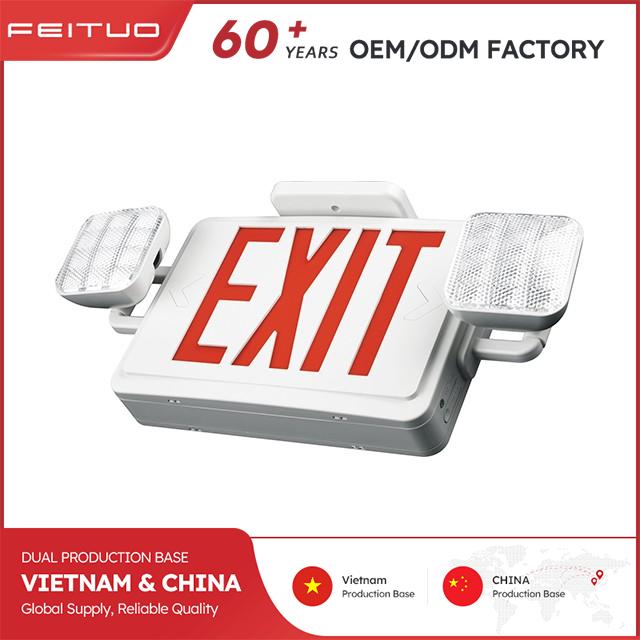
Emergency lights are critical safety devices designed to provide illumination during power outages, fires, or other emergencies. These lights guide occupants to safety and assist rescue teams in navigating hazardous environments. Understanding how emergency lights function is essential for ensuring their reliability in critical situations.
1.Core Components of Emergency Lights
Emergency lights consist of several key components:
Light Source: Typically LEDs or fluorescent bulbs, chosen for their energy efficiency and long lifespan.
Battery Pack: Rechargeable batteries (e.g., nickel-cadmium, lithium-ion) store energy to power the light during outages.
Control Circuitry: Sensors and switches detect power failures and automatically activate the backup system.
Housing: Durable, weather-resistant casings protect internal components from damage.
The battery is charged during normal operation via an external power source. When the main power supply is interrupted, the control circuitry switches the light to battery mode, ensuring uninterrupted illumination.
2.Working Principles
2.1Automatic Activation
Most emergency lights operate on a dual-power system. During normal conditions, the light functions like a standard fixture, consuming grid electricity while simultaneously charging the battery. If the power cuts off, sensors detect the loss of current and trigger the emergency mode. The battery then powers the light, which remains active until power is restored or the battery depletes.
2.2Manual Testing
Many models include a test button to simulate power failures. Pressing this button activates the emergency mode, allowing users to verify functionality without disrupting the main power supply. Regular testing ensures the battery and circuitry are operational.
2.3Sustained vs. Non-Sustained Operation
Sustained Emergency Lights: Remain on continuously during outages, providing constant illumination.
Non-Sustained Emergency Lights: Activate only when the main power fails, conserving battery life for critical moments.
Some advanced models combine both modes, offering sustained lighting in high-risk areas and energy-efficient operation elsewhere.

3.Types of Emergency Lights
3.1Exit Signs
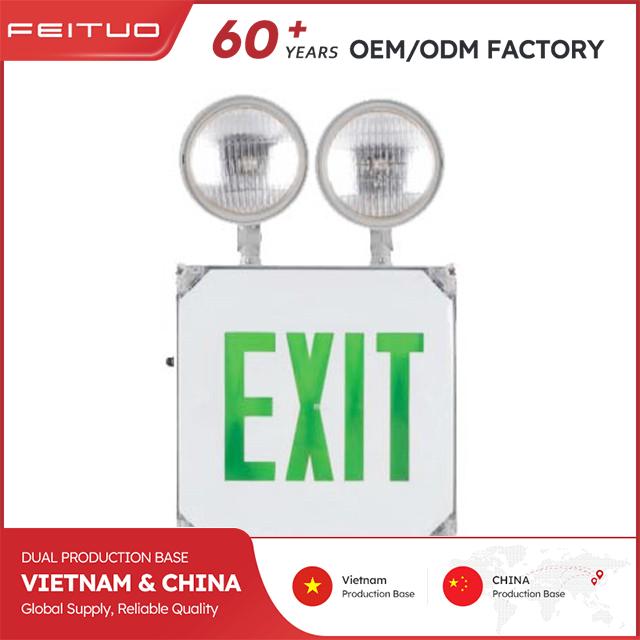
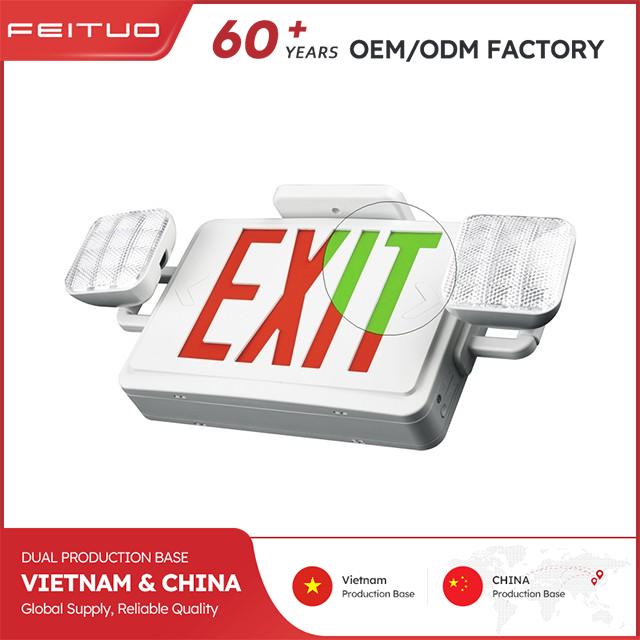
These lights feature illuminated arrows or text (e.g., "EXIT") to mark escape routes. They are often integrated with backup batteries and remain visible even in smoke-filled environments.
3.2Spotlights and Floodlights
Used in large spaces like warehouses or stadiums, these lights provide broad illumination to aid evacuation. Some models include adjustable beams or motion sensors to optimize coverage.
3.3Portable Emergency Lights
Handheld or wearable devices (e.g., headlamps, flashlights) are useful for personal safety during emergencies. Rechargeable models often double as everyday lighting tools.
4.Maintenance and Compliance
To ensure reliability, emergency lights require regular maintenance:
Monthly Tests: Verify functionality by pressing the test button.
Battery Replacement: Replace batteries every 3–5 years, depending on usage.
Dust and Debris Cleaning: Prevent overheating by keeping lenses and vents clear.
Compliance with safety standards (e.g., UL, CE) is mandatory. Non-compliant lights may fail during emergencies, posing severe risks.
5.Innovations in Emergency Lighting
Modern emergency lights incorporate smart technologies:
Self-Testing Systems: Automatically diagnose faults and alert users via apps or alarms.
Solar-Powered Options: Use renewable energy to charge batteries, reducing reliance on the grid.
IoT Integration: Connect to building management systems for remote monitoring and control.
Conclusion
Emergency lights are indispensable for ensuring safety in critical situations. By combining backup batteries, intelligent control systems, and durable designs, these devices provide reliable illumination when needed most. Regular maintenance, adherence to standards, and adoption of innovative technologies further enhance their effectiveness. Whether in commercial buildings, residential complexes, or industrial facilities, understanding how emergency lights work empowers users to prioritize safety and preparedness. As technology evolves, emergency lighting systems will continue to play a vital role in safeguarding lives and property.

Phone: 0086-13566557272
Whatsapp: +86-13566557272
ADD: No.546 Qiye Road, Zhouxiang Town, Cixi, Zhejiang, China
ADD: Within Dinh Vu - Cat Hai Economic Zone, Dong Hai 2 Ward, Hai An District, Hai Phong City, Viet Nam
Customer Message


 Dual Head Emergency Light
 LED Emergency Light Remote Head
 Twin Spot Emergency Light
 Rechargeable LED Emergency Light
 Emergency Downlight
 Fire Exit Sign
 Running Man Exit Sign
 SALIDA Exit Signs
 SAÍDA Exit Signs
 Recessed Exit Sign
 UL Listed Exit Light
 Customized EXIT SIGN
 Power & Lighting Exit Sign
 Mounting & Housing Exit Sign
 Self Test Exit Sign
  Directional exit sign
 Custom Legends exit sign
 Custom Acrylic Signs
 LED Emergency Inverter
 Emergency Ballast
 Emergency Battery