

In the chaos of an emergency, such as a fire, power outage, or chemical spill, a single illuminated symbol can mean the difference between safety and disaster. The fire exit sign—a universally recognized marker of escape routes—serves as a critical component of building safety systems. These signs are not mere decorations; they are meticulously designed, regulated, and positioned to guide occupants toward exits under the most stressful conditions. This article explores the definition, design standards, regulatory requirements, and technological innovations surrounding fire exit signs, emphasizing their life-saving role in modern infrastructure.
Definition and Purpose
A fire exit sign is a visual indicator that identifies the location of an emergency exit or the path to reach one. Its primary purpose is to eliminate confusion during evacuations by providing clear, unambiguous directions, even in low-light or smoke-filled environments. These signs are strategically placed along escape routes, including corridors, stairwells, and intersections, ensuring that no point in a building is more than 30 meters from the nearest visible marker. By directing occupants toward exits, fire exit signs reduce panic, streamline evacuation, and assist first responders in navigating unfamiliar structures.
Design Standards and Symbols
Fire exit signs adhere to strict design standards to ensure universal comprehension. The most common formats include:
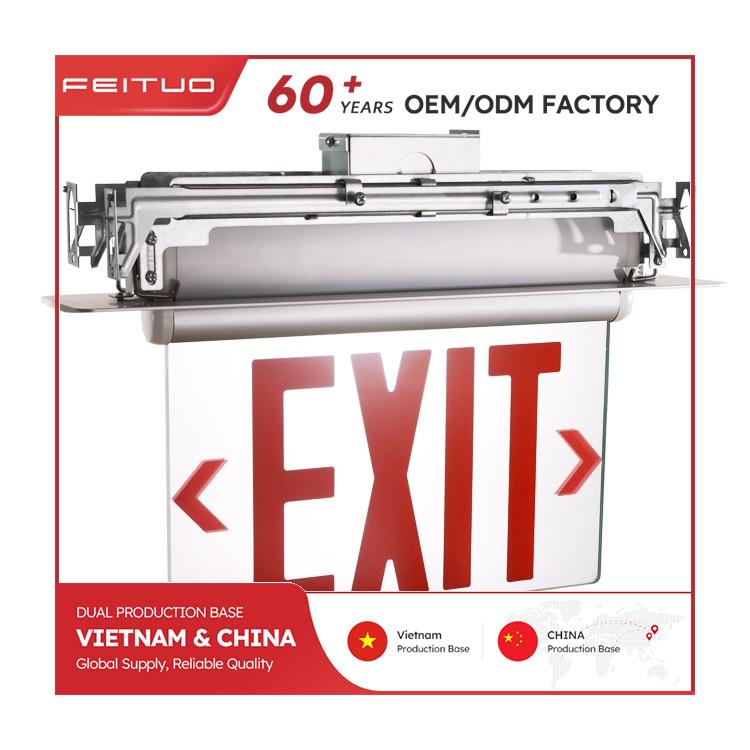
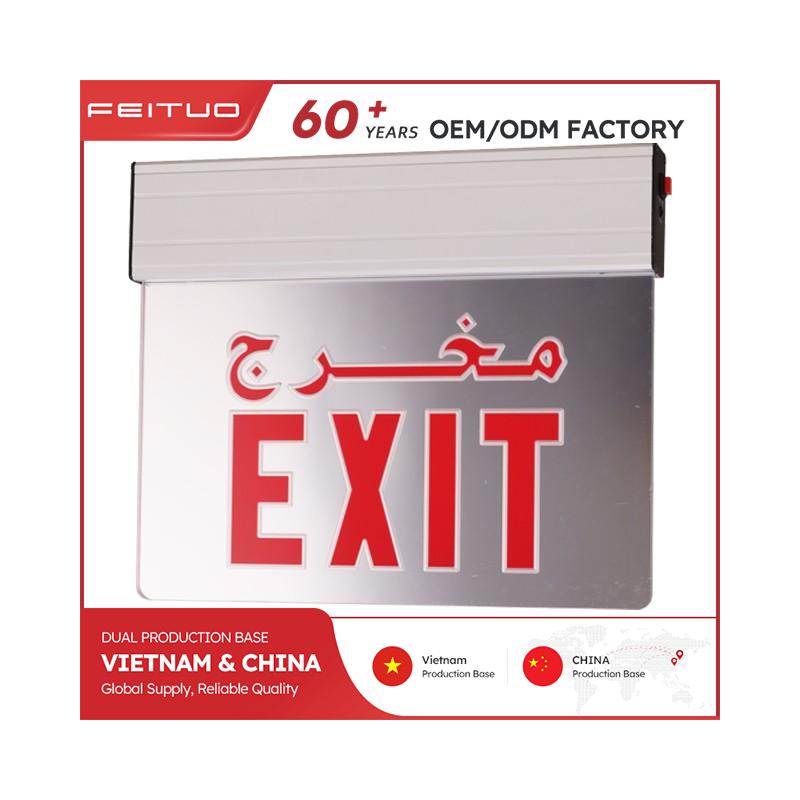
Text-Based Signs: Traditional signs display the word "EXIT" in bold, capitalized letters. For example, the National Fire Protection Association (NFPA) 101 Life Safety Code mandates that letters be at least 15 cm tall with a 2.5 cm stroke width, ensuring readability from a distance. In New York City, internally illuminated signs must use red text on a white or translucent background, with a minimum luminescence of 250 foot-lamberts.
Pictogram Signs: Many jurisdictions now permit pictograms, such as a green-and-white running man symbol, which transcends language barriers. The International Building Code (IBC) allows pictograms for internally illuminated signs, while NFPA 101 permits them alongside text if approved by local authorities.
Directional Arrows: Signs often incorporate arrows to indicate the direction of travel, especially when exits are not immediately visible. For instance, a sign above a corridor might read "EXIT" with an arrow pointing left or right.

Regulatory Requirements
Fire exit signs are governed by a web of international, national, and local regulations, including:
NFPA 101 Life Safety Code: Requires signs to be visible under all conditions, including smoke and power failures. It specifies illumination levels (at least 5 foot-candles) and backup power systems, such as battery-operated or self-luminous signs.
Occupational Safety and Health Administration (OSHA): Mandates that exit routes be marked with signs that are "readily visible" and comply with NFPA standards. OSHA also requires signs to be placed at all exits and along evacuation paths.
International Building Code (IBC): Sets guidelines for sign placement, visibility distances, and pictogram use. The 2021 edition allows pictograms for internally illuminated signs, reflecting a shift toward global standardization.
Americans with Disabilities Act (ADA): Ensures signs are accessible to individuals with visual impairments by requiring non-glare finishes and tactile characters in some cases.
Technological Innovations
Modern fire exit signs incorporate advanced technologies to enhance reliability:
1.Photoluminescent Signs: These signs absorb light during normal conditions and glow in the dark during power outages, eliminating the need for batteries or external power.
2.LED-Lit Signs: Energy-efficient LEDs provide bright, long-lasting illumination and can be integrated with backup batteries for continuous operation during emergencies.
3.Tritium Self-Luminous Signs: Using radioactive tritium gas, these signs require no external power and remain illuminated for up to 20 years, making them ideal for remote or hard-to-access areas.
4.Smart Signage Systems: Some buildings now use dynamic digital signs that adjust directions in real-time based on sensor data, such as fire location or crowd movement.
Critical Placement and Maintenance
The effectiveness of a fire exit sign hinges on its placement. Regulations typically require:
Signs to be mounted above doors, at intersections, and near stairwells.
A maximum spacing of 30 meters between signs along evacuation routes.
Signs to be positioned no higher than 2 meters from the floor to ensure visibility in smoke.
Regular maintenance is equally vital. Signs must be kept clean, unobstructed, and functional, with batteries tested monthly and replaced as needed. Photoluminescent signs require periodic exposure to light to recharge, while tritium signs must be disposed of according to radioactive material regulations.
Conclusion
The fire exit sign is far more than a static marker; it is a dynamic, regulated, and technologically advanced tool designed to save lives. By combining universal symbols, stringent standards, and innovative technologies, these signs ensure that occupants can quickly and safely evacuate buildings during emergencies. From their placement along escape routes to their illumination during power failures, every aspect of a fire exit sign is governed by regulations aimed at minimizing risk and maximizing survival. As buildings grow more complex and emergencies more unpredictable, the role of the fire exit sign remains indispensable—a beacon of safety in moments of crisis.


Phone: 0086-13566557272
Whatsapp: +86-13566557272
ADD: No.546 Qiye Road, Zhouxiang Town, Cixi, Zhejiang, China
ADD: Within Dinh Vu - Cat Hai Economic Zone, Dong Hai 2 Ward, Hai An District, Hai Phong City, Viet Nam
Customer Message


 Dual Head Emergency Light
 LED Emergency Light Remote Head
 Twin Spot Emergency Light
 Rechargeable LED Emergency Light
 Emergency Downlight
 Fire Exit Sign
 Running Man Exit Sign
 SALIDA Exit Signs
 SAÍDA Exit Signs
 Recessed Exit Sign
 UL Listed Exit Light
 Customized EXIT SIGN
 Power & Lighting Exit Sign
 Mounting & Housing Exit Sign
 Self Test Exit Sign
  Directional exit sign
 Custom Legends exit sign
 Custom Acrylic Signs
 LED Emergency Inverter
 Emergency Ballast
 Emergency Battery