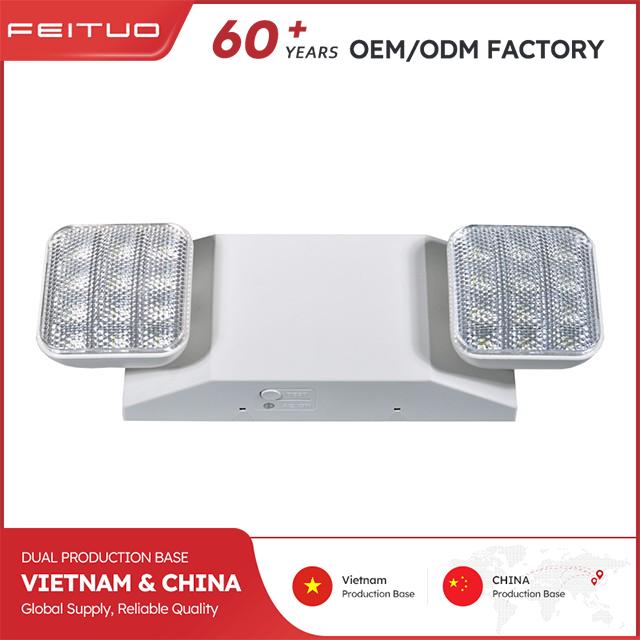
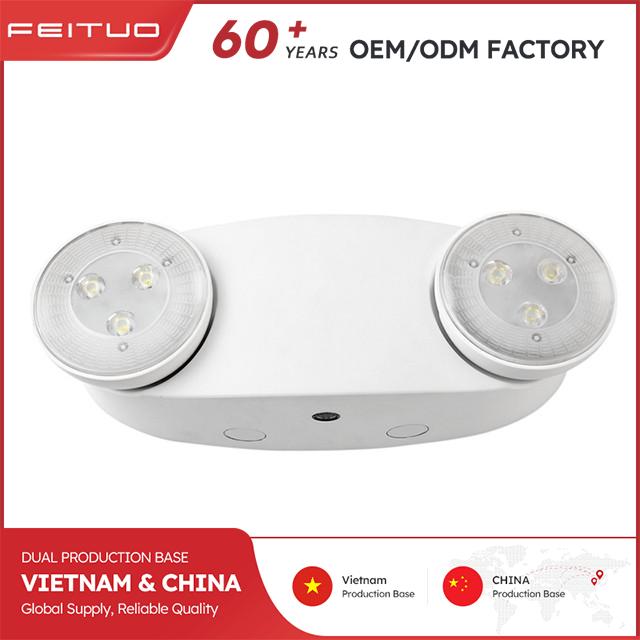
In the realm of emergency services, safety, and disaster management, the visibility of emergency lights plays a pivotal role. Whether it's on a police car racing to a crime scene, an ambulance transporting a critical patient, or a fire truck responding to a blaze, the ability of emergency lights to be seen from a significant distance can mean the difference between life and death, efficient response, and chaos. This article delves into the question of which color emergency light is visible at the greatest distance, exploring the science behind light perception, the characteristics of different colors, and real - world applications.
The Science of Light Perception
To understand which color emergency light is the most visible over long distances, we first need to grasp the basics of how the human eye perceives light. The human eye contains two types of photoreceptor cells: rods and cones. Cones are responsible for color vision and are concentrated in the fovea, the central part of the retina. There are three types of cones, each sensitive to different wavelengths of light corresponding to red, green, and blue. Rods, on the other hand, are more sensitive to low - light conditions and do not distinguish colors well; they are mainly used for peripheral vision and night vision.
When light enters the eye, it stimulates these photoreceptor cells, which then send electrical signals to the brain via the optic nerve. The brain interprets these signals as visual images and colors. The visibility of a light source depends on several factors, including its intensity, the wavelength of the light (which determines its color), the background against which it is seen, and the atmospheric conditions.
Characteristics of Different Colors of Emergency Lights
Red Emergency Lights
Red has long been a traditional color for emergency lights, especially in the context of police and fire services. Red light has a relatively long wavelength, around 620 - 750 nanometers. One of the advantages of red light is that it is less likely to cause glare compared to some other colors. This is because the human eye is less sensitive to red in high - intensity situations, reducing the risk of temporary blindness for drivers or pedestrians.
In terms of long - distance visibility, red light can be seen well under normal conditions. However, its effectiveness can be affected by factors such as fog, smoke, or dust. In these situations, red light may scatter more, reducing its penetration and making it less visible at greater distances. Additionally, red is a common color in the urban environment, used in traffic signals, brake lights, and various signs. This abundance can sometimes make it harder for the brain to quickly distinguish an emergency red light from other red objects in the vicinity.

Blue Emergency Lights
Blue emergency lights are often associated with police vehicles in many regions. Blue light has a shorter wavelength than red, typically in the range of 450 - 495 nanometers. The shorter wavelength gives blue light a higher energy level compared to red. One of the significant advantages of blue light is its ability to cut through certain atmospheric conditions better than red in some cases. For example, in light fog or haze, blue light can be more visible because it scatters less than red light of the same intensity.
However, blue light also has some drawbacks. The human eye is more sensitive to blue light, especially in low - light conditions. This high sensitivity can cause glare, which can be disorienting for drivers and pedestrians, potentially leading to accidents. Moreover, blue light is not as commonly used in non - emergency situations as red, but it can still be present in some modern lighting systems, which might cause some confusion in distinguishing emergency blue lights.
Yellow/Amber Emergency Lights
Yellow or amber emergency lights are frequently used in construction vehicles, school buses, and some emergency warning situations. Yellow light has a wavelength in the range of 570 - 590 nanometers. It is highly visible and is often used to convey a sense of caution. The human eye is quite sensitive to yellow, and it stands out well against most backgrounds.
In terms of long - distance visibility, yellow light can perform well, especially in daylight conditions. It is less likely to cause glare compared to blue light and can be easily distinguished from many other colors in the environment. However, similar to red, in heavy fog or smoke, yellow light may scatter and lose some of its visibility over long distances.
White Emergency Lights
White emergency lights are a combination of all colors in the visible spectrum. They are often used in high - intensity emergency situations, such as on some modern emergency vehicles or in search and rescue operations. White light has the advantage of being extremely bright, which can make it highly visible over long distances in clear conditions.
On the downside, white light can cause significant glare, especially in low - light or nighttime situations. It can also be more difficult to distinguish from other white light sources in the environment, such as streetlights or headlights of other vehicles. Additionally, in foggy or smoky conditions, white light can scatter widely, reducing its effective range of visibility.

Real - World Applications and Considerations
In real - world emergency scenarios, the choice of emergency light color is not solely based on long - distance visibility. Other factors such as legal regulations, cultural associations, and the specific nature of the emergency also play important roles. For example, in many countries, the use of red and blue emergency lights on police vehicles is strictly regulated by law to ensure consistency and easy identification.
In search and rescue operations, a combination of different colored emergency lights may be used. White lights can be used for general illumination and to attract attention over long distances, while colored lights like red or yellow can be used to convey specific messages or to mark safe areas. In marine emergency situations, different colored flares are used, each with its own visibility characteristics and meaning. Red flares are often used to indicate distress, while orange smoke signals can be used to mark a position during the day.
Conclusion
When considering which color emergency light is visible at the greatest distance, there is no single, definitive answer. Each color has its own set of advantages and disadvantages depending on the atmospheric conditions, background, and the specific requirements of the emergency situation. Red emergency lights, with their long - standing use and relatively good visibility in normal conditions, are a reliable choice in many scenarios. Blue emergency lights can offer better penetration in light fog or haze but may cause glare. Yellow emergency lights are highly visible and less likely to cause glare in daylight, while white emergency lights are extremely bright but can scatter widely in adverse conditions.
Ultimately, the effectiveness of an emergency light in being seen over a long distance depends on a combination of factors, including the color, intensity, and the environment in which it is used. Emergency services and organizations need to carefully consider these factors when selecting the appropriate emergency lights for their vehicles and operations to ensure maximum visibility and safety in all situations. By understanding the characteristics of different colored emergency lights, we can make more informed decisions that enhance the overall efficiency and effectiveness of emergency response efforts.

Phone: 0086-13566557272
Whatsapp: +86-13566557272
ADD: No.546 Qiye Road, Zhouxiang Town, Cixi, Zhejiang, China
ADD: Within Dinh Vu - Cat Hai Economic Zone, Dong Hai 2 Ward, Hai An District, Hai Phong City, Viet Nam
Customer Message


 Dual Head Emergency Light
 LED Emergency Light Remote Head
 Twin Spot Emergency Light
 Rechargeable LED Emergency Light
 Emergency Downlight
 Fire Exit Sign
 Running Man Exit Sign
 SALIDA Exit Signs
 SAÍDA Exit Signs
 Recessed Exit Sign
 UL Listed Exit Light
 Customized EXIT SIGN
 Power & Lighting Exit Sign
 Mounting & Housing Exit Sign
 Self Test Exit Sign
  Directional exit sign
 Custom Legends exit sign
 Custom Acrylic Signs
 LED Emergency Inverter
 Emergency Ballast
 Emergency Battery